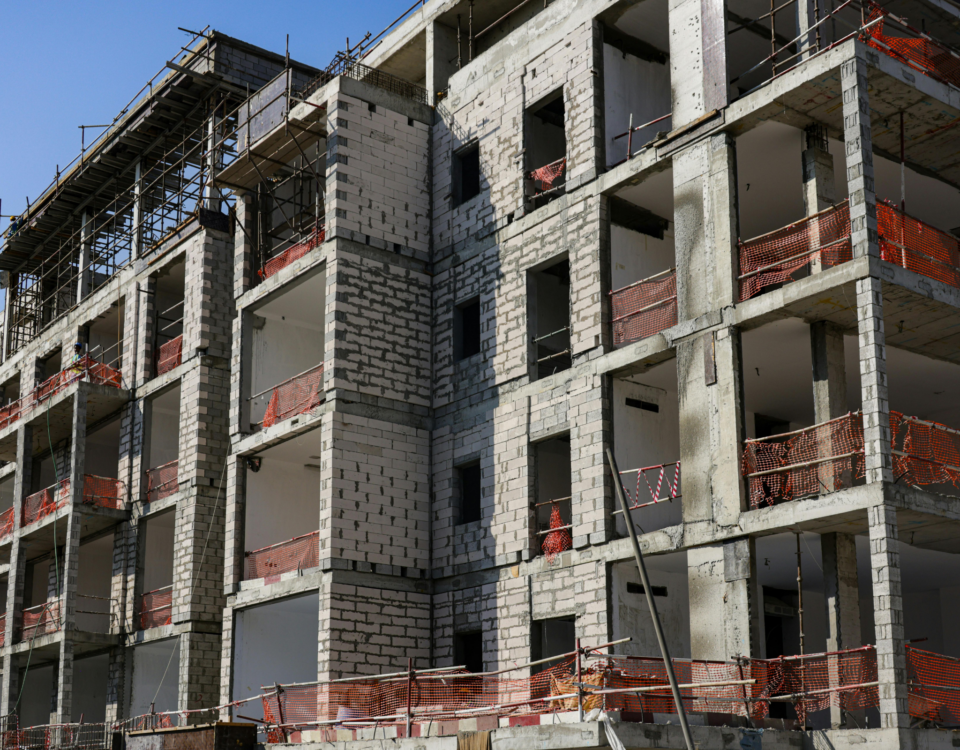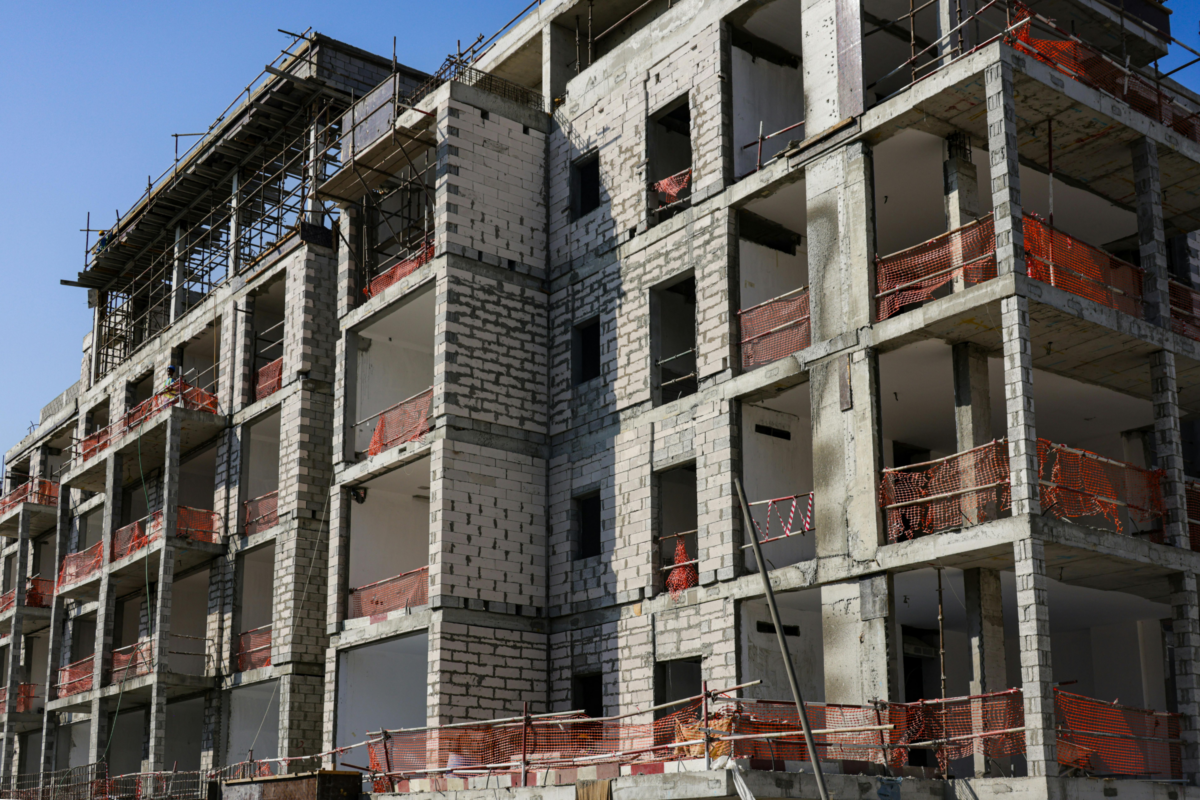



Across Africa, cranes dot skylines from Nairobi to Lagos, yet paradoxically, real estate remains one of the continent’s least institutionalized major asset classes. Projects are often financed through informal capital, pre-payments by end-users or mis-matched funding solutions that limit scale, raise costs and concentrate risk. If Africa is to unlock the full economic power of its property markets, it must move from opportunistic projects to professional development and institutional ownership. At the center of that shift lies a powerful vehicle: the Real Estate Investment Trust (REIT).
REITs are more than property funds listed on stock exchanges. Properly structured, they are economic infrastructure platforms that aggregate long-term savings and redirect them into institutional-grade, income-generating, inflation-hedging, capital appreciating real assets. In mature markets such as the United States and Singapore, REITs transformed real estate from speculative endeavor into a transparent, yield-oriented, long-duration asset class accessible to pension funds, insurance companies and retail investors. As our capital markets deepen, and with the acceleration of a savings culture, Africa stands at an inflection point.
Linking REITs to Pension Growth
Africa’s pension industry is expanding rapidly, particularly in countries like Kenya, Nigeria and South Africa. Yet pension assets often remain concentrated in traditional asset classes, with overweight exposure to government securities, due to limited investable alternatives. REITs offer a bridge: they convert illiquid, owner-operated property into regulated, professionally-managed, income-producing securities aligned with pension liabilities.
For pension funds, REITs provide predictable, inflation-linked, dividend streams and portfolio diversification. For the broader economy, they unlock dormant domestic capital. Instead of relying on volatile foreign inflows, African markets can and must actively mobilize their own long-term savings to finance development of the built economy and emergence of smart cities, across asset types ranging from accessible housing, quality work spaces, critial healthcare facilities and community-centred retail malls to industrial parks and data centres.
This alignment between pensions and property is transformative. It creates a virtuous cycle: stronger pensions fuel REIT growth; successful REITs deepen capital markets; deeper markets attract more savings.
Financing Infrastructure Through Property Platforms
Real estate and infrastructure are deeply intertwined. Transport corridors determine land value. Energy reliability shapes commercial viability. Urban density influences infrastructure efficiency.
REITs can become anchors for infrastructure financing by aggregating stabilized, income-producing assets such as toll-road-adjacent commercial zones, transit-oriented developments, or power-backed industrial parks. By securitizing completed phases of large projects, developers recycle capital into new infrastructure-linked developments. This model reduces reliance on sovereign borrowing and creates blended finance pathways.
In cities experiencing rapid urbanization, REIT-backed mixed-use developments can cluster housing, retail and transport, making infrastructure investments more bankable and scalable.
Accelerating Housing Delivery
Africa faces a significant housing deficit. Traditional development models struggle because of high upfront capital requirements and long payback periods. REITs, especially specialized residential housing REITs that address supply gaps and enhance accessibility can change that equation.
By pooling capital and distributing income over time, REITs reduce pressure for quick exits. They enable build-to-rent strategies, student housing platforms and workforce accommodation. Institutional ownership also improves governance, tenant protections, maintenance standards, and operational efficiency, elevating housing standards from often under-managed assets to a structured service-oriented product offering that builds sustainable communities and enhances the quality of life.
Building Long-Term Capital Formation
Perhaps the most profound impact of REITs is cultural. Institutionalization introduces transparency, valuation standards, professional management and regulatory oversight. It shifts property from a speculative store of wealth to a productive component of national capital formation.
When African exchanges nurture credible REIT regimes, they signal maturity to global investors. When domestic capital participates alongside international funds, risk perception improves. Over time, this lowers the cost of capital not only for real estate but for the broader economy.
The future of Africa’s cities will not be determined solely by architecture or demographics, but by financial architecture. REITs offer a blueprint for converting savings into skylines, pensions into housing, and infrastructure into inclusive prosperity. Institutionalizing real estate is not merely a market reform, it is a strategy for economic transformation.